
Missing Teeth Treatment in Encino
Missing teeth can make everyday life a whole lot tougher. Eating, speaking, and even smiling can be difficult when teeth are missing. To make matters worse, it can also lead to significant changes in your mouth. Missing teeth treatment in Encino can fill in the gaps, get your eating and speaking back on track, and even help protect your remaining natural teeth. At High5 Kids & Family Dental Care, we tailor our treatment options to suit patients who’ve lost one or more teeth.
What Are Missing Teeth?
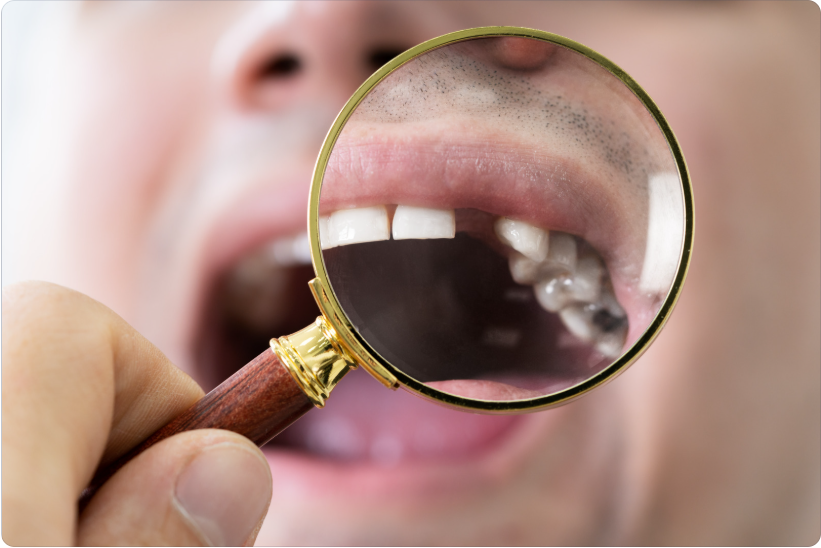
Missing teeth means that one or more teeth are no longer present because they never developed, were removed, or were lost due to decay, gum disease, or injury. Tooth loss can affect bite alignment, chewing, speech, oral health, and the appearance of your smile.
Without treatment, nearby teeth may shift into the empty space, while the jawbone may gradually weaken because the missing tooth root no longer stimulates it. Missing teeth treatment in Encino can replace lost teeth, protect surrounding teeth, and help restore comfortable eating and speaking.
What Causes Missing Teeth?
People can lose teeth for many reasons. Some cases develop gradually because of dental disease, while others happen suddenly because of an injury. Understanding the cause helps us create a treatment plan that addresses the current problem and lowers the risk of future tooth loss.
Common causes of missing teeth include:
- Tooth decay that just gets too far gone
- Gum disease that weakens the bone and tissue holding the teeth in place
- Injuries to the teeth, mouth or jaw
- Cracked or broken teeth that just can’t be fixed
- Infections that can’t be cleared up with a filling, crown or root canal
- Poor brushing and flossing habits
- Teeth that never developed in the first place
- Smoking or using tobacco
- Certain medical conditions or prescription medications
- Long-term grinding of your teeth
- Lack of access to regular dental care
- A tooth extraction that’s needed because of crowding or infection
- And even just not taking care of your teeth and gums.
Two of the most common causes of tooth loss in adults are tooth decay and gum disease. When you don’t take good care of your teeth and gums, plaque builds up and irritates the gums, and if you don’t get it sorted out, the gums start to bleed, feel swollen or start to pull away from the teeth, and you might need to get some bleeding gums treatment. Of course, your lifestyle and oral health habits can contribute to missing teeth too – if you drink a lot of sugary drinks, use tobacco, skip dental appointments or leave dental problems to fester, you’re more likely to lose teeth.
Common Signs and Symptoms
Bleeding gums can appear all of a sudden, or they might So A visible gap is one of the clearest signs of missing teeth, but tooth loss can also cause changes that may not seem related. Symptoms may be mild when only one tooth is missing, but they can become more noticeable when several teeth are missing in the same area.
Some common signs and symptoms include:
- A big old gap where a tooth used to be
- Trouble biting or chewing certain foods
- Changes in your speech or the way you pronounce words
- Food getting stuck in the empty space
- Nearby teeth shifting towards the gap
- Changes in the way your teeth bite together
- Tenderness or discomfort while eating
- Changes in the shape of your jaw or face
- Loose surrounding teeth
- Reduced confidence when smiling
- Dentures that keep moving around
- Jaw discomfort from uneven pressure
- Gum sensitivity where the tooth used to be
- A feeling that your teeth no longer fit together properly
Some of these symptoms might come and go at first, but if you don’t do anything about it, things can get a lot worse over time. Over time, the jawbone can start to shrink where the tooth used to be, and nearby teeth can shift, both of which can make replacing the tooth a bit more complicated the longer you wait.
Severe cases can really affect your nutrition, speech, facial support and the health of your remaining teeth. If you’re losing teeth, you might find yourself chewing on one side of your mouth a lot of the time – which can put a lot of pressure on certain teeth and parts of your jaw.
When to See a Dentist
If your gums stay sore, swollen, or continue bleeding even with regular brushing and flossing, it may be time to see a dentist. Even if it’s not painful, you should see a dentist as soon as possible after losing a tooth. A dental implant consultation or some other kind of dental evaluation can help figure out whether your gums and bone are healthy and which replacement options are right for you.
Get in touch with a dental office right away if you notice:
- A permanent tooth that has fallen out or got knocked out
- A loose adult tooth
- Pain or swelling near an empty space
- Trouble chewing or speaking
- Nearby teeth starting to shift
- A change in the way your upper and lower teeth come together
- A broken denture, bridge or implant crown
- Ongoing jaw pain
- Facial swelling or signs of infection
- Rapid changes in your gums or jawbone
Waiting too long can mean that your surrounding teeth start to shift and your jawbone starts to shrink. And if it gets to the point where you need some bone grafting, it can make future implant placement a whole lot more complicated.
Getting in early gives you more treatment options and helps protect your nearby teeth. And it also lets the dentist sort out any underlying issues with decay, infection, gum disease or other problems before treatment even starts. If you’ve recently lost a tooth, make an appointment as soon as you can.
How We Diagnose and Assess It
Your initial consultation is more of a conversation than an interrogation. We just want to have a chat about your dental past, your current situation, what’s been worrying you and what you hope to get out of the whole process. We might ask when you lost the tooth, if you’ve been experiencing any pain or discomfort and what kind of result you’re thinking of getting from the whole restoration. Getting a sense of your dental history and personal preferences really helps us understand what you need and what you want from the treatment.
The initial assessment is straightforward
- Examining the teeth, gums, and open spaces
- Checking the health of the surrounding teeth
- Evaluating how the upper and lower teeth meet
- Looking for decay, infection, or gum disease
- Measuring the available space for a replacement tooth
- Reviewing the condition of existing crowns, bridges, or dentures
- Using digital imaging to examine the jawbone and missing tooth roots
- Checking the amount and shape of the available bone
- Discussing your medical history and medications
- Reviewing possible implant options and other treatments
Using digital imaging really is a huge help, it lets us get a better look at the roots of the tooth and the health of the jawbone below the gums. It’s a key part of figuring out whether or not you have enough bone to support dental implants.
A consultation is usually around 45 minutes to an hour, but it can take longer if you’ve got a few missing teeth, some existing work that needs looking at, or if we need to do a bit more digging to figure out what’s going on.
Once the evaluation is over, we sit down and explain everything in plain English. We go over your options, the time frame involved, what kind of discomfort you might experience and what kind of aftercare you’ll need. We leave plenty of time for you to fire off any questions you might have before you decide what to do next.
Treatment Options for Missing Teeth
What you need to do to treat your bleeding gums usually The rMissing teeth treatment in Encino is personalized according to the number and location of lost teeth, bone health, gum health, budget, and personal preferences. Treatment may restore missing teeth with dental implants, bridges, dentures, or a combination of services.
Your treatment may include:
- A single implant for one tooth
- Several implants for multiple missing teeth
- Implant crowns
- Implant-supported bridges
- Implant supported dentures
- Traditional dental bridges
- Full or partial dentures
- Mini dental implants in selected cases
- Bone grafting before implant placement
- Treatment for decay, infection, or gum disease
- At-home care instructions for the final restoration
Dental Implants in Encino
Dental implants are titanium posts placed in the jaw to replace missing tooth roots. After the implant integrates with the surrounding bone, it can support a custom crown, bridge, or implant supported dentures.
Implant Crowns and the Final Restoration
An implant crown is a custom replacement tooth attached to a dental implant. The final restoration is designed to match the surrounding teeth and support comfortable chewing and proper bite alignment.
Bone Grafting and Bone Loss
Bone loss can occur after a tooth has been missing for some time. If the jawbone cannot support an implant, bone grafting may help create a more stable foundation before implant placement.
Bridges and Adjacent Teeth
A dental bridge replaces one or more teeth using the adjacent teeth for support. It can restore chewing and appearance, but the nearby teeth may need to be reshaped for crowns.
Traditional and Implant Supported Dentures
Traditional dentures replace several missing teeth and can be removed for cleaning. Implant supported dentures connect to dental implants for improved stability, while mini dental implants may be suitable for certain patients.
At-Home Care After Treatment
Brush twice daily and clean around implants, bridges, crowns, or dentures as instructed. Follow all aftercare directions and contact the office if pain, swelling, or other discomfort becomes worse.
Why Choose High5 Kids & Family Dental Care for Missing Teeth Treatment in Encino, CA?
High5 Kids & Family Dental Care provides personalized missing teeth treatment in Encino for children, teens, adults, and older patients. Our experienced team uses digital imaging, modern dental implant services, sedation options, and careful planning to support patient comfort throughout the process. We offer compassionate care, explain every procedure in simple language, and create plans based on each patient’s health and goals. We can also discuss same-day appointments when available, urgent dental care, insurance details, and financing options. Our office is conveniently located in Encino, CA, for families seeking implant dentistry and other ways to replace missing teeth.
How to Prevent Missing Teeth
Not every cause of tooth loss can be avoided, but consistent dental care can lower the risk. Protecting the teeth, gums, and jaw starts with simple habits at home and regular professional check-ups.
Helpful prevention steps include:
- Brush your teeth twice each day with fluoride toothpaste
- Floss or use another approved interdental cleaner daily
- Schedule regular dental exams and professional cleanings
- Treat cavities before they become larger
- Seek care for bleeding, swollen, or receding gums
- Wear a mouthguard during contact sports
- Use a night guard if you grind or clench your teeth
- Avoid smoking and other tobacco products
- Limit sugary foods and drinks
- Drink water throughout the day
- Never use your teeth to open packages
- Complete recommended treatment for cracked or infected teeth
- Contact a dentist promptly after an injury
- Keep implants, crowns, bridges, and dentures clean
If you already have a missing tooth, replacing it may help protect nearby teeth and reduce unwanted movement. Regular check-ups remain important after treatment because restorations and implants still need professional monitoring.
Frequently Asked Questions
Yes. Even one tooth can affect chewing, bite alignment, surrounding teeth, and the jawbone. A single implant, bridge, or partial denture may replace the tooth and help maintain the space.
The area is numbed during implant placement, and sedation options may be available for anxious patients. Some soreness and discomfort are normal after the procedure, but they generally improve during the first several days. Your dentist will provide clear instructions for managing your recovery.
Dental implants tend to hold up really well over the long run, but nothing’s guaranteed to last forever. How long yours lasts depends on things like how well you keep up with oral hygiene, your gum health, whether you smoke, your overall health, and where the implant is placed. Proper care and routine check-ups can support long term implant success. The attached crown or other final restoration may eventually need repair or replacement because of normal wear.
Possibly. Bone grafting may strengthen an area that does not have enough bone for an implant. Digital imaging allows the dentist to evaluate your jawbone and determine whether grafting, a different implant approach, or another replacement option is appropriate.
A good candidate usually has healthy gums, suitable jawbone support, realistic expectations, and the ability to heal normally. However, not everyone has the same needs. Your health history, imaging, mouth, and treatment goals must be reviewed during an initial consultation before a recommendation can be made.
Book Your Appointment Today!
You do not have to continue living with gaps that affect your smile, speech, or ability to eat. Missing teeth treatment in Encino can replace lost teeth, support better oral health, and help you feel more comfortable in daily life. Call High5 Kids & Family Dental Care at 818-784-2002 or book an appointment online to arrange your consultation. Our team will evaluate your teeth, gums, bite, and jaw before helping you choose a treatment that works for your needs.